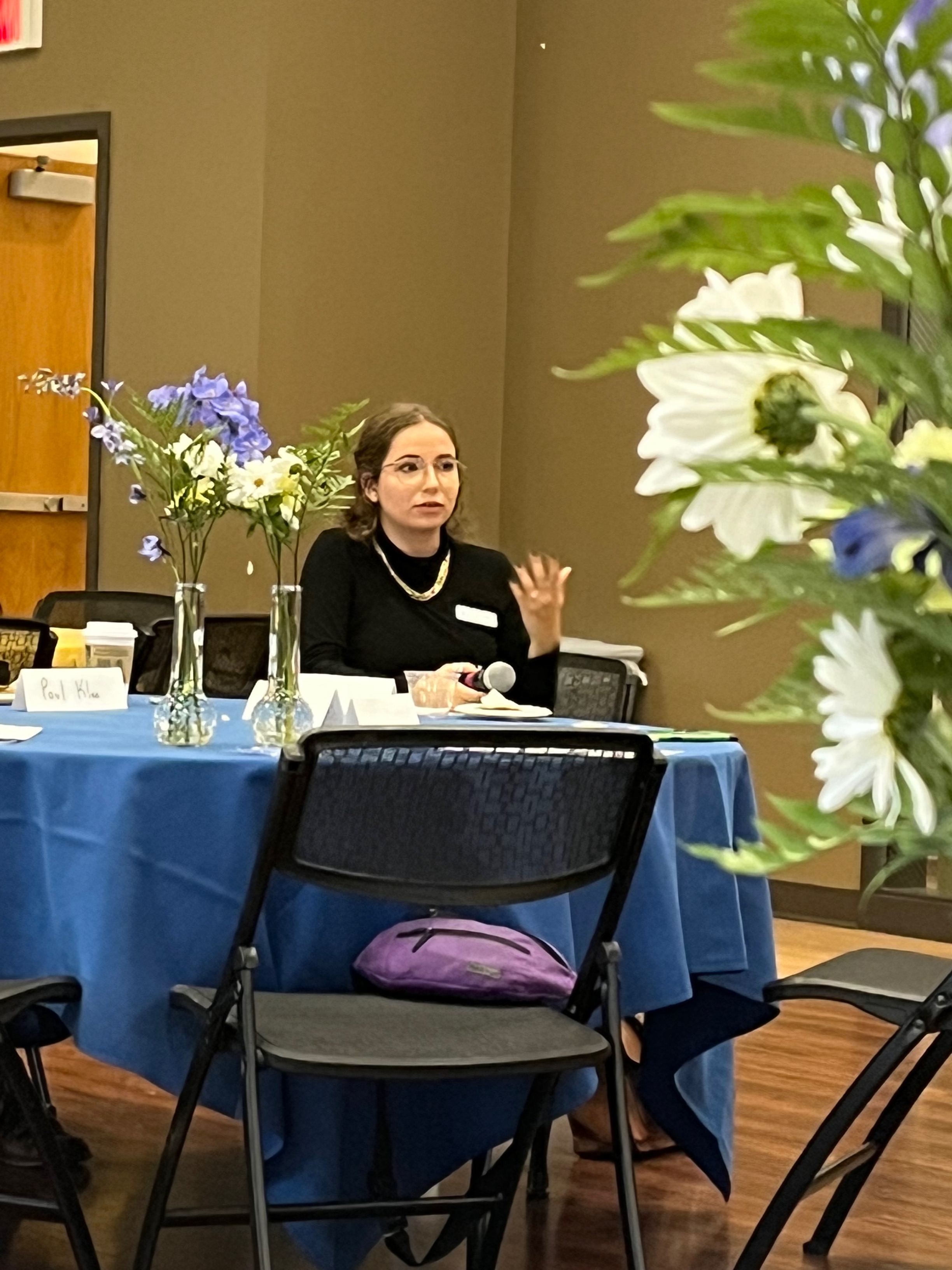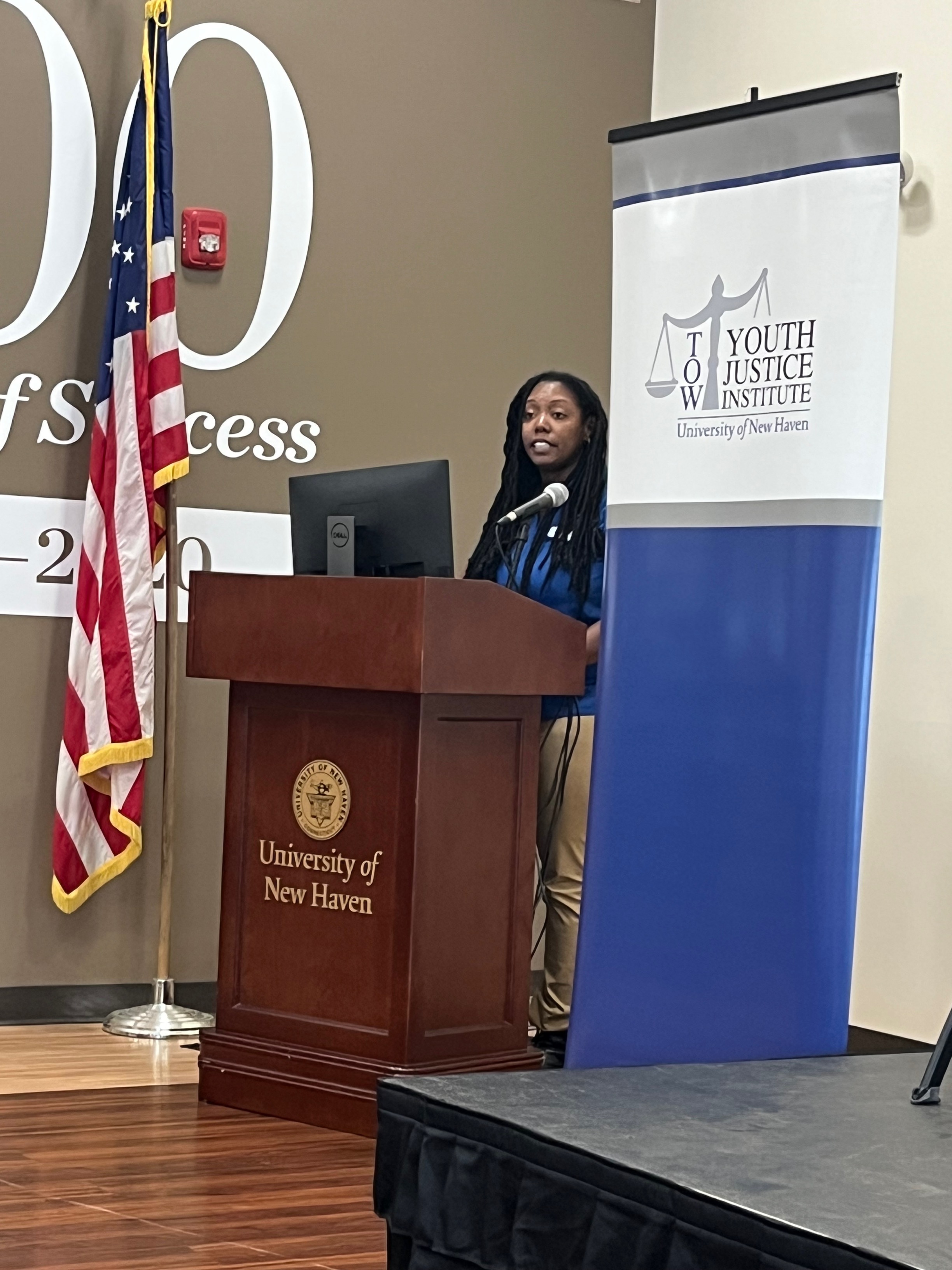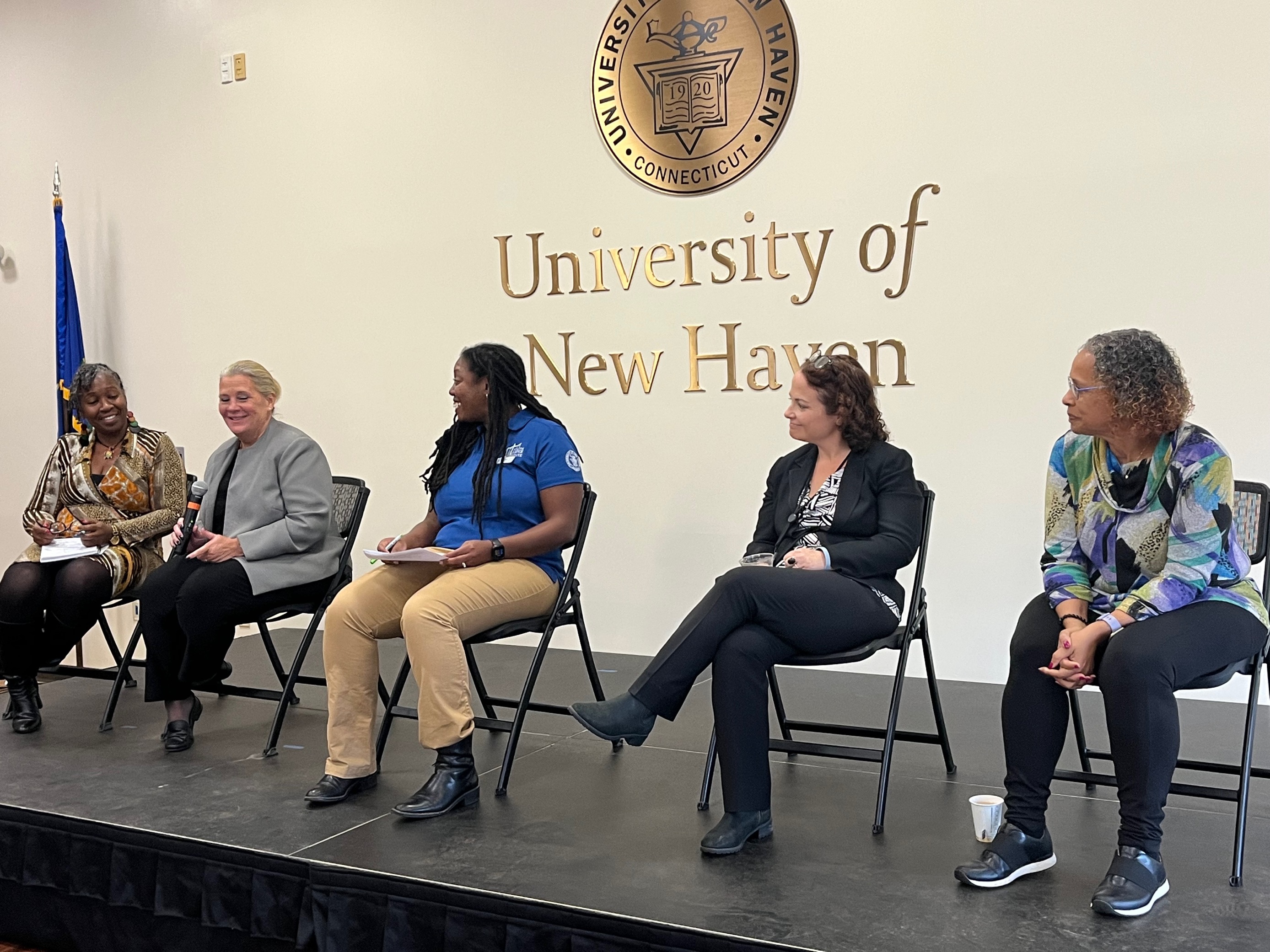
The University of New Haven hosted the first-ever Women of Justice Networking Rounds on November 1st, in the Bartels Student Center at the University of New Haven. Invited guests spanned from across the justice system, including Representative Robyn Porter, Toni Walker of Hamden and New Haven, Professor Lisa Dadio (Director of the Center for Advanced Policing), and Attorney Sarah Eagan ( CT Office of the Child Advocate). These professionals discussed larger criminal justice system reforms as well as personal experiences as women working in the justice system. University faculty, staff, and students participated in four networking rounds where they engaged in a wide variety of topics discussed below.
While Connecticut’s juvenile justice system has experienced significant reform, it is still challenged by children having unmet needs that could prevent their interaction with the system in the first place. One setting where these needs can be seen is in school. Chronic absenteeism and low engagement can be indicators that school is no longer a place of safety and exploration for youth.
The attendees explored how conversations about equality, histories, and perspectives can be altered by placing the concept of “humanity” at their center every time. With a community-based focus on policing and protective factors, there can also be a shift in the way groups are evaluated. The age-old adage that raising a child “takes a village,” holds true in educational settings, where a child ought to have strong support and guidance from all adult figures in their life.
Panelists considered community policing strategies as well, discussing community improvements that come about from a police force that resembles and understands the community they serve. When bodies of authority consider the historical trauma informing their interactions with a community, they can consider their actions and legacy.
Also discussed was the general expectation that women ought to avoid rocking the boat in the workplace and must defer to their male colleagues is being challenged by strong women in the field across all positions, ages, and backgrounds. Women can look to those around them for inspiration by allying with other strong women in the workforce and refusing to be silent about the issues facing them, especially women who identify as part of other marginalized groups in addition to their gender identity and expression. By standing in solidarity, women can amplify one another’s voices to influence reform in the justice system through practices and culture.
The Women of Justice Networking Rounds was a true example of women standing in solidarity and amplifying each other’s voices. It was a great opportunity to come together with such prestigious women in the field of justice to discuss ways to make change. It is through these types of conversations that influence future generations entering the field of justice.
Author: Nicole Kessler, MA Student in Community Psychology